A centenary celebration of the life and work of Alan Turing
June 21, 2012
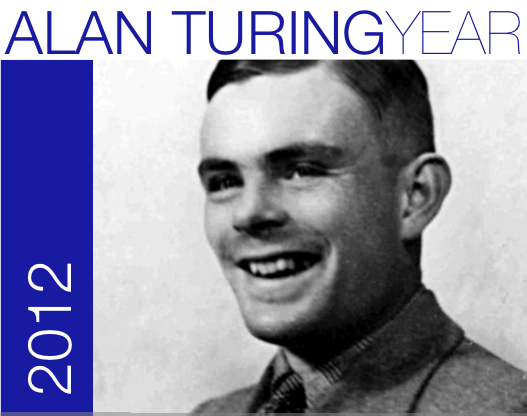
Alan Turing Year
June 23, 2012, is the Centenary of Alan Turing’s birth in London.
During his relatively brief life, Turing made a unique impact on the history of computing, computer science, artificial intelligence, developmental biology, and the mathematical theory of computability.
A number of major events are taking place throughout the year in celebration of Turing’s life and scientific impact. Most of these will be linked to places with special significance in Turing’s life, such as Cambridge, Manchester and Bletchley Park.
On June 15–16 in San Francisco, 33 ACM A.M. Turing Award Winners came together for the first time to honor the 100th Anniversary of Alan Turing and reflect on his contributions, as well as on the past and future of computing. Watch the recorded webcast of the event.
The University of Reading’s School of Systems Engineering has announced a special one-day event on what would have been Turing’s 100th birthday, 23 June 2012.
The Turing Year is coordinated by the Turing Centenary Advisory Committee (TCAC), representing a range of expertise and organisational involvement in the 2012 celebrations. Organisations and individuals wanting to contribute ideas or support for the Turing Year are invited to contact any of the current TCAC members.
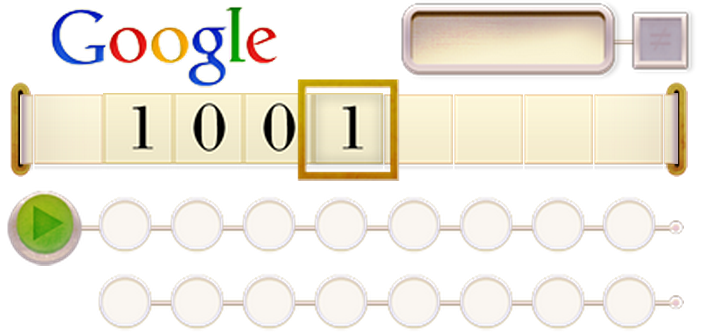
Google commemorates Alan Turing's 100th birthday: June 23, 2012