Memory improves for older adults using computerized brain fitness program
August 7, 2012
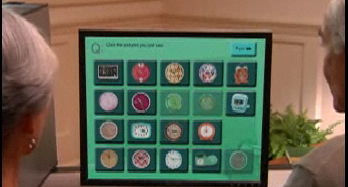
UCLA researchers have found that older adults who regularly used a brain fitness program played on a computer demonstrated significantly improved memory and language skills. The team studied 59 participants with an average age of 84, recruited from local retirement communities in Southern California.
The volunteers were split into two groups: the first group used a brain fitness program for an average of 73 20-minute sessions across a six-month period while a second group played it less than 45 times during the same period. Researchers found that the first group demonstrated significantly higher improvement in memory and language skills, compared to the second group.
The study’s findings add to the field exploring whether such brain fitness tools may help improve language and memory and may ultimately help protect individuals from the cognitive decline associated with aging and Alzheimer’s disease.
Age-related memory decline affects approximately 40 percent of older adults and is characterized by self-perception of memory loss and decline in memory performance. Previous studies have shown that engaging in mental activities can help improve memory, but little research has been done to determine whether the numerous brain fitness games and memory training programs on the market are effective in improving memory. This is one of the first studies to assess the cognitive effects of a computerized memory training program.
Authors of the study are Dr. Karen Miller, associate clinical professor, Semel Institute for Neuroscience and Human Behavior at UCLA and Dr. Gary Small, professor of Psychiatry and Biobehavioral Sciences at the Semel Institute.
The study was funded by Dakim, manufacturer of Dakim Brain Fitness, the computerized program used in the study. Small serves on the scientific advisory board of the company and owns Dakim stock options. Miller has received consulting fees for previous pilot studies with Dakim.

Comments (9)
by Cybernettr
Hopefully, working crossword puzzles has the same result, since a lot of seniors don’t like electronic games.
by GatorALLin
on the right hand side of this article is a link for http://www.lumosity.com/ and was curious if anyone here was using that tool, or any of the hundreds of similar iphone or droid apps that do the brain games? Most the apps are free or a few dollars tops…. $249 for Dakim sounds way too much. Maybe if you don’t use google to find cheaper ones then your just not using your brain enough….LOL
by yeahbuddy
Lumosity rocks..you should try it
by Gorden Russell
I was interested until I Googled Dakim and found that they want $249 for the program. I guess I’ll just have to rely on reading the Kurzweil Newsletter every day to keep my mind sharp.
by Greg
Yes, I’m retired and I’ve found that the game of chess is very mentally stimulating!
by melajara
Tray to play blind chess, it’s free.
If you don’t have a partner for playing against you and reviewing your move, I’m developing a blind chess trainer. You spell your move and the program is answering its own move or you can setup a chess position verbally and train for position recollection.
I have yet to adapt it to a smartphone. Once I have enough people interested, I’ll do it ;-)
by Arctic Poppy
I’ll wait for a less biased opinion.
by Editor
I was skeptical too but I realized that the researchers only show that memory is improved when increasing use of a fitness program, not that this particular program is better.
by Don
You should still be skeptical. A rising tide lifts all boats. Research such as this, that claims to be product agnostic, can still show bias towards the product space as a whole. If the product space is generally perceived to be validated by some research, all products in the space benefit. But, to counter my own argument, the relationship of the researchers to the product company does not, in and of its self, invalidate the research. This research is worthy of reporting as long as the possible self-serving relationship is disclosed, which is just what you did. I just recommend that you remain skeptical and look for additional results in this area.