Strategic Relocation – North American Guide to Safe Places
October 30, 2012
- author |
- Joel Skousen
- year published |
- 2010
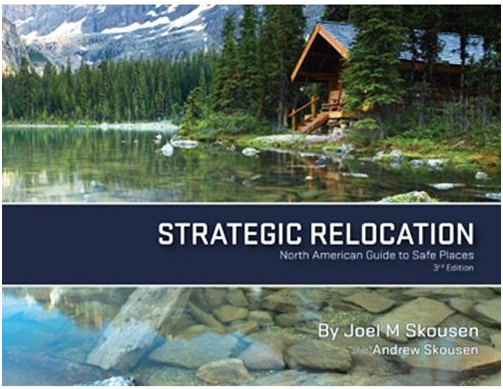 What if: a labor crisis halts the inflow of food and business goods? Will your community provide the basic necessities of life? an economic crisis that threatens your pensions, investments and other so-called “guaranteed” income? a major earthquake or other natural disaster suddenly upsets the natural social order for months at a time? Could you get out of harm’s way if massive social unrest erupts in the wake of a crisis? an emergency clogs the area’s freeways? Do you have contingency plans to exit the area? the “unthinkable” happens: nuclear war? Or have you thought about the potential of a major terrorist attack on a U.S. city with chemical or biological weapons? It’s easy to dismiss these threats during times of peace and prosperity, but they are real. Not only that, but the probability of such events coming to pass increases every year. Strategic Relocation: North American Guide to Safe Places is an in-depth analysis of North America’s safest places to live. This book will help you look ahead for potential threats that most other people fail to see or choose to ignore. It contains a complete discussion of the strategies and relocation contingencies that will help you avoid or mitigate each of the major modern threats, from national disasters to economic collapse to nuclear war. As a relocation expert, Joel Skousen also offers personal paid consultations for those who want advice on selecting land or working out special contingency retreat plans. He recommends that anyone interested in these services read the book first. Contact Mr. Skousen at joel at joelskousen.com to talk about the book or for consultation. No appointment is necessary.