Where speech recognition is going
May 29, 2012 | Source: Technology Review
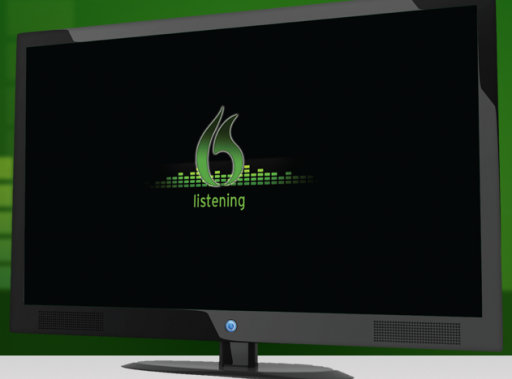
(Credit: Nuance)
Voice-recognition software company Nuance is extending its speech-interface technology to television devices, the automobile, and wearable devices.
Dragon TV can scan TV channel listings to select relevant shows; a version is already in some televisions sold by Samsung.
Apple is rumored to be developing its own television, using Siri as its controller.
The Sync entertainment system in Ford automobiles uses Nuance’s technology to let drivers pull up directions, weather information, and songs. About four million Ford cars on the road have Sync with voice recognition.
Last week, Nuance introduced software called Dragon Drive that will let other car manufacturers add voice-control features to vehicles.
To ensure that the system works well in televisions and cars, where there is more background noise, the company is experimenting with array microphones and noise-canceling technology.
Montrue Technologies, a company based in Ashland, Oregon, used Nuance’s mobile medical SDK to develop an iPad app that lets physicians dictate notes.
Vlad Sejnoha, chief technology officer of Nuance Communications, believes that within a few years, mobile voice interfaces will be much more pervasive and powerful. “I should just be able to talk to it without touching it,” he says. “It will constantly be listening for trigger words, and will just do it — pop up a calendar, or ready a text message, or a browser that’s navigated to where you want to go.”
Perhaps people will even speak to computers they wear, like Google Glass. Sources at Nuance say they are actively planning how speech technology would have to be architected to run on wearable computers.