Video Dial-a-Doctor seen easing shortage in rural US
September 7, 2012
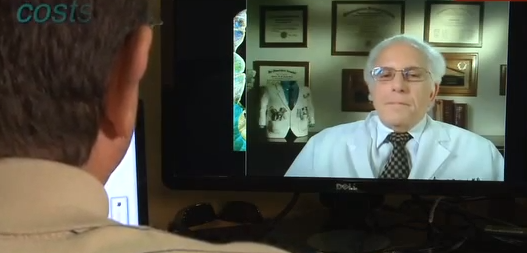
A half-dozen U.S. states are turning to telemedicine to address a shortage of doctors in rural areas, a gap the Obama administration has said is a serious health-care shortcoming, Bloomberg reports.
Medical provider Sentara Healthcare and MDLive, a remote technology developer, to provide remote care to more than 2 million people in the Southeast.
Ware County, Georgia has installed videoconferencing equipment at all 10 of its schools to give its 5,782 students one-on-one access to physicians. Telemedicine sites for adults have also sprung in the area. Instead of taking a full day off from work or school, residents can now regularly see their specialist online.
The program places Georgia among a half-dozen U.S. states turning to telemedicine to address a shortage of doctors in rural areas. While about a quarter of Americans live in rural areas, only 9 percent of doctors work there, according to the nonprofit National Rural Health Association. And within just 16 months, the 2010 U.S. health-care law will start adding as many as 15 million more people to health insurance rolls, further taxing already spotty care.
Patients using the system sit in front of mobile carts that are fitted with screens and speakers, Guy said in a telephone interview. The carts also carry stethoscopes and other devices for examinations that are carried out by local nurses. More than 185 doctors in the state work with the system, providing consultations on 40 different specialties.
MDLive also offers a service for homes, using a computer and webcam, or via phone.

Comments (5)
by Jeff J
If CMS would pay for more of these visits we’d start to a real economy of scale. Limiting support for Telehealth to just rural services is really hurting adoption.
by Dennis R.
It’s a pretty neat idea, but I wonder about the quality of the doctors and whether a patient would have a “personal physician” or just deal with whomever was available. I can also envision delays if everyone tries to squeeze in a doctor tele-visit on their lunch hour.
I do like the idea that everyone would have access to quality medical care. BUt I suspect there is much work to be done.
by Dan S
I agree with Bri. I would much prefer to have a brief consultation with a doctor from home rather than wasting my time going to and waiting in a doctor’s office. This will save people and the system time and money. If this starts to become common now, the system will be able to constantly improve as new tech diagnostic tools are cheaply available to use at home. As a computerized system it could easily be tied in with patient records, prescriptions sent directly to pharmacies, doctor rating systems, and non-doctor care such as nurses, tech guides who explain how you need to use diagnostics tools, physio instructors, etc. It’s also worth noting that because it’s online everything can be tracked and evaluated to prevent over-billing and to ensure doctors are giving up to date information. O course some things will still require hospital or office visit but reducing these is a win for everyone.
by Bri
Insurance companies should run with this. It would greatly reduce brick and mortar costs.
by Bri
This is another article that I’m surprised doesn’t get any posts. This could be useful even in cities. So many doctors visits are mundane. Mainly questions prompted by fear. It can take quite awhile to set up an appointment. In the mean time the patient is still anxious. Something like this could cut down on all that wasted time making the time a doctor spends with truly needy patient more efficient. It’s also not to far a stretch to imagine a Warsonesque doctor. A robo nurse could administer any tests. The future tricorder and labs on a chip could perform the vast majority of procedures. All you would need from there is a Ramona style holographic presence to reassure and respond to what the patient says.